


Real estate advisory JLL has found that the co-living sector in Sydney is progressing as an attractive market within the city’s Build to Rent offering, with the emergence of many significant developments.
Private investor interest in the asset class has peaked. The latest $15.5m sale of an established freehold co-living development in Surry Hills reflects this.
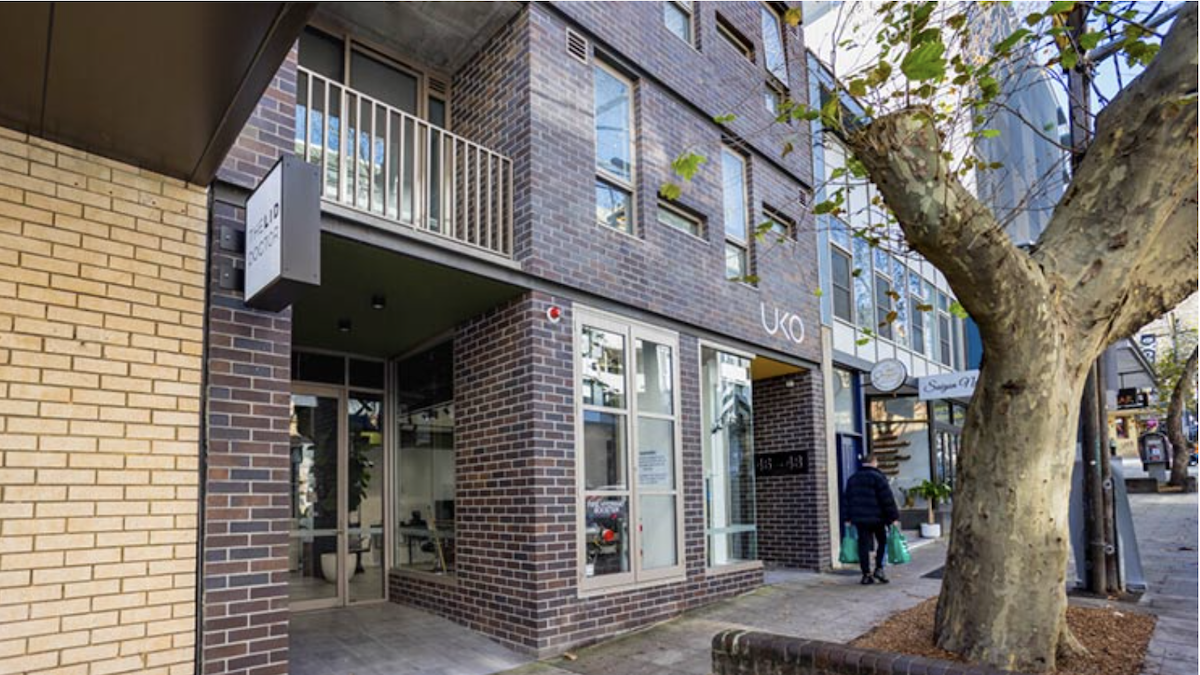
The UDIA award-winning scheme at 46 Foveaux Street comprises 32 self-contained studio apartments and ground-floor retail. It was sold by JLL at a yield of ~5%.
JLL state that the hotly contested sale was the latest deal of more than $200m that the company’s Head of Metropolitan Sales & Investments had transacted in the sector in the past two years.
“Co-living developments offer a greater density on-site, present some construction efficiencies as they do not necessarily require extensive underground parking, and provide a developer with diversified cash flow.
“At the same time, in the metropolitan areas of Sydney, Build to Sell apartments development sites are affected by high land prices, long planning approval processes/costs and rising construction costs that have made it unfeasible to bring these projects to life.
“It is a sector that is attracting strong interest and investment from developers, private investors and funds seeking to capitalise on rising rentals as the demand for medium-term accommodation snowballs in an undersupplied market.”
Gordon McFadyen, Head of Metropolitan Sales & Investments, JLL
In January, Sydney-based developer Freecity is planning a $200m development that will comprise 505 apartments at Macquarie Park. It has also secured a development site in Rockdale for another student-focussed co-living scheme.
In February 2024, Pro-Invest unveiled its plans to develop a 2,000-apartment co-living portfolio, acquiring and repositioning ten hotel and office buildings.
Last year, PGIM Real Estate announced that it was growing its co-living portfolio in Australia to create a $750m collection of properties, boosting its flexible living model to 6,000 apartments.
Co-living appeals to investors as it is cheaper to operate than serviced apartments and offers flexibility in terms of a provider’s operating model, according to JLL.
It also appeals to students, professionals and local and international migrants looking for more convenient, accessible residential living options than the traditional long-term rental market that requires long leases, rental bonds and the establishment of utility services and furnishings.
Finally, co-living developments do not require services such as linen, cafes, and room service while offering a premium rental for short-term stays.
The recognition of co-living’s emergence in Sydney follows the release of insights into the sector’s growth from Cushman & Wakefield. The insights highlight an increase of capital markets activity following several years of subdued activity.


