


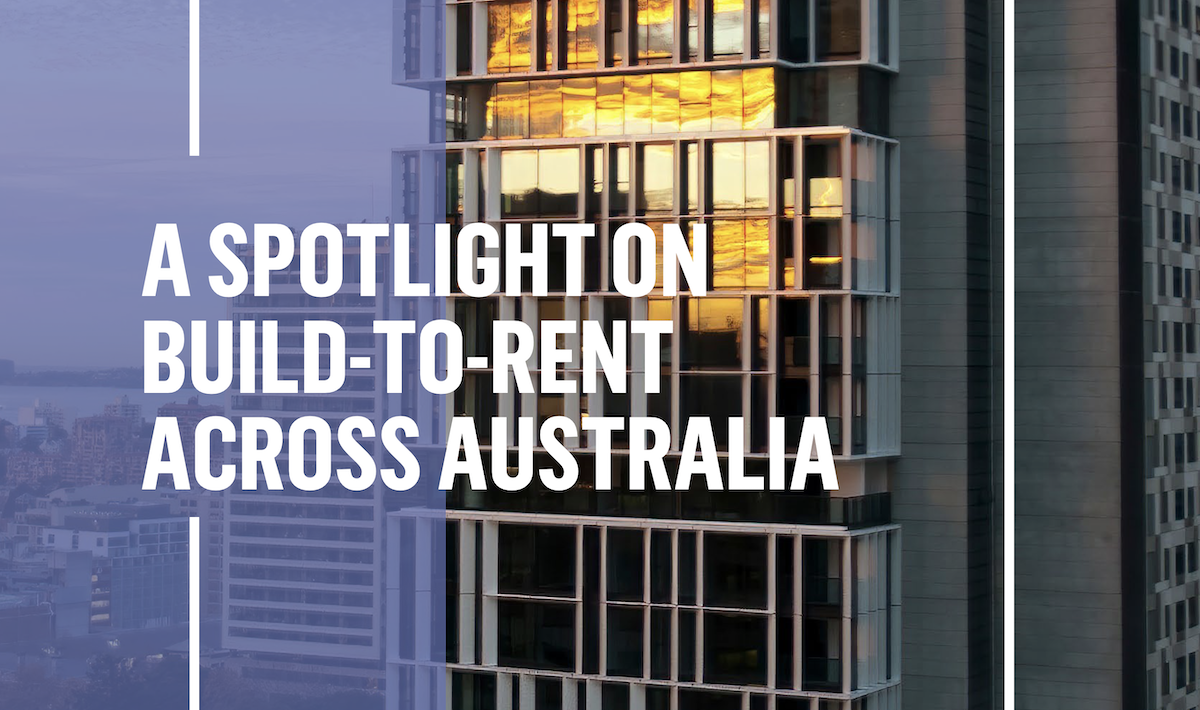
Interdisciplinary consulting firm Urbis has released a new report – titled ‘A Spotlight on Build to Rent Across Australia’ – highlighting that Australia’s Build to Rent sector, with over 50,000 apartments in various stages of development, is poised to diversify the nation’s housing market.
However, the sector faces significant challenges that threaten its growth and ability to alleviate housing supply pressures. According to the new report by Urbis, there is a lack of a national definition for Build to Rent, leading to inconsistent application of policy, planning, and taxation frameworks.
This inconsistency introduces substantial risk, making it difficult for developers and investors to navigate the market. While New South Wales has led with specific planning policies, other states like Victoria and Queensland are behind, defaulting to Build to Sell requirements which are not tailored for Build to Rent projects.
The Build to Rent market’s performance is mixed, Urbis found. Premium Build to Rent developments are thriving due to high rental demand and low vacancy rates, but the overall investment landscape is challenging. The sharp rise in land and construction costs, coupled with political and economic uncertainties, has made securing capital difficult.
Despite these challenges, Urbis identifies several emerging trends offering potential growth avenues for the Build to Rent sector, including affordable Build to Rent, mixed assets, single-family rentals, sustainable developments, asset optimisation, repurposing office stock, construction innovation and asset consolidation.
To realise the full potential of Build to Rent, the firm recommends key actions including tax reforms and the development of more nationally consistent design concessions for the sector. These actions aim to reduce project risks, attract investment, and encourage stability in the funding environment.
The report concludes that Australia’s Build to Rent sector, though still premature, has significant potential for growth. If the sector’s challenges can be addressed, it could contribute between 10% to 15% of the new housing supply Australia needs.


