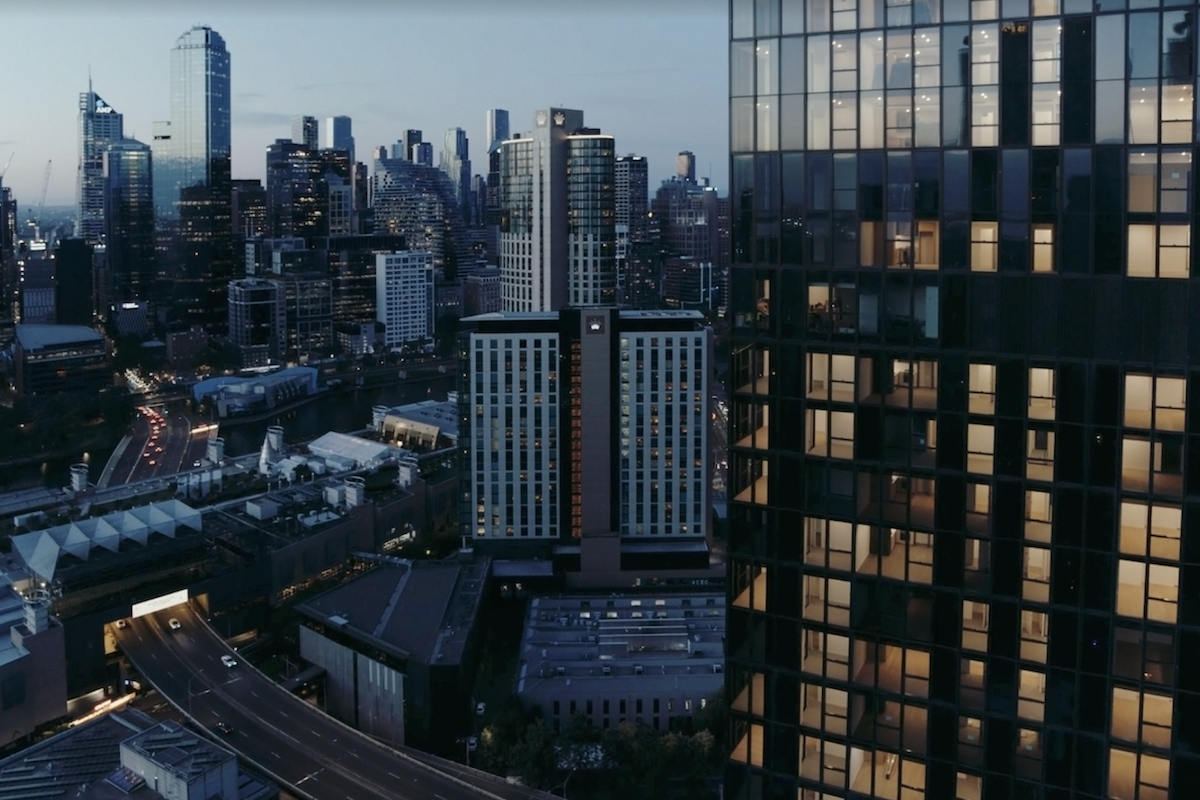
With an increase of differing lifestyles, housing and housing options, Australians are increasingly looking for new ideas that reflect their desired lifestyle. Build to Rent provider Home recognises this shift and aims to create choice for its residents.
Home’s model is focused on bettering liveability for renters. As a new way of thinking, Home’s model intersects with several alternative philosophies for city living that are gaining traction around the globe.
From reinventing renting to a radical rethink of neighbourhood planning, these movements are changing our cities – and the way we live within them.
“Our whole purpose is to have happy residents and communities. Because happy residents will stay – and that’s good for all of us. We realise this resident-first way of thinking through thoughtful design and hotel-like services because life’s too short to live in an apartment that you don’t love.”
Christian Grahame, Head, Home
The Build to Rent model is already popular in cities like London and New York. It ensures a higher level of service and amenities, while offering residents the security (and flexibility) of long-term tenancy options without fear of sudden changes or eviction. It also offers peace of mind that comes from knowing there’s someone on-hand for maintenance and emergencies, both minor and major.
The 20-minute neighbourhood concept is a new approach to improving liveability in Australia’s cities. The philosophy believes that people should be able to meet most of their daily needs within a 20-minute return walk, cycle or public transport ride.
As major cities look to the 20-minute neighbourhood for long-term planning, it’s become a big consideration for where new buildings like Home are located and how they’re designed, Home states.
“If you look at the way that we have selected our sites, they’re influenced by that 20-minute principle. We’ll generally try to locate near good transport and within a high amenity area or we’ll create that amenity within the community that we’re constructing.”
Christian Grahame, Head, Home
The UN predicts that by 2050, over two-thirds of all people will be living in urban areas. Most cities are limited in how much they can expand outwards, so an influx in population means that the pre-existing spaces will need to be utilised in smarter ways.
Small footprint living is one design concept that’s at the heart of that rethink. It’s a movement that uses creative design as a solution to save space in a way that doesn’t compromise on lifestyle, which in turn reduces the ecological impact of urban living. Designing with community needs in mind is at the heart of small footprint living.
“We always leave space for our offering to be influenced by what the residents want. If we see that there’s a desire to have something like a running club, for example, we will help coordinate that. We are perfectly aligned with the resident – our whole purpose is to make sure they’re happy. This process is an evolving one, too. Our internal design and Resident Services team are always looking to refine our offer.”
Christian Grahame, Head, Home
For a growing number of Australians, home ownership looks a lot different than it did a generation or two ago. However, home ownership is still sought-after. As it turns out renting and buying a property aren’t mutually exclusive, as savvy buyers find a new pathway – rentvesting.
The strategy involves renting where you want to live, close to all of your favourite shops and restaurants and galleries and buying an investment property in a more affordable location.
According to 2019 ABS figures, rentvesting is a growing trend with around 340,000 Australian rentvestors already in the market.
“Our residents are most often renting by choice – it’s not a forced situation. They’re of a generation that’s generally renting because they’re attracted by something better at this stage of their lives.”
Christian Grahame, Head, Home