


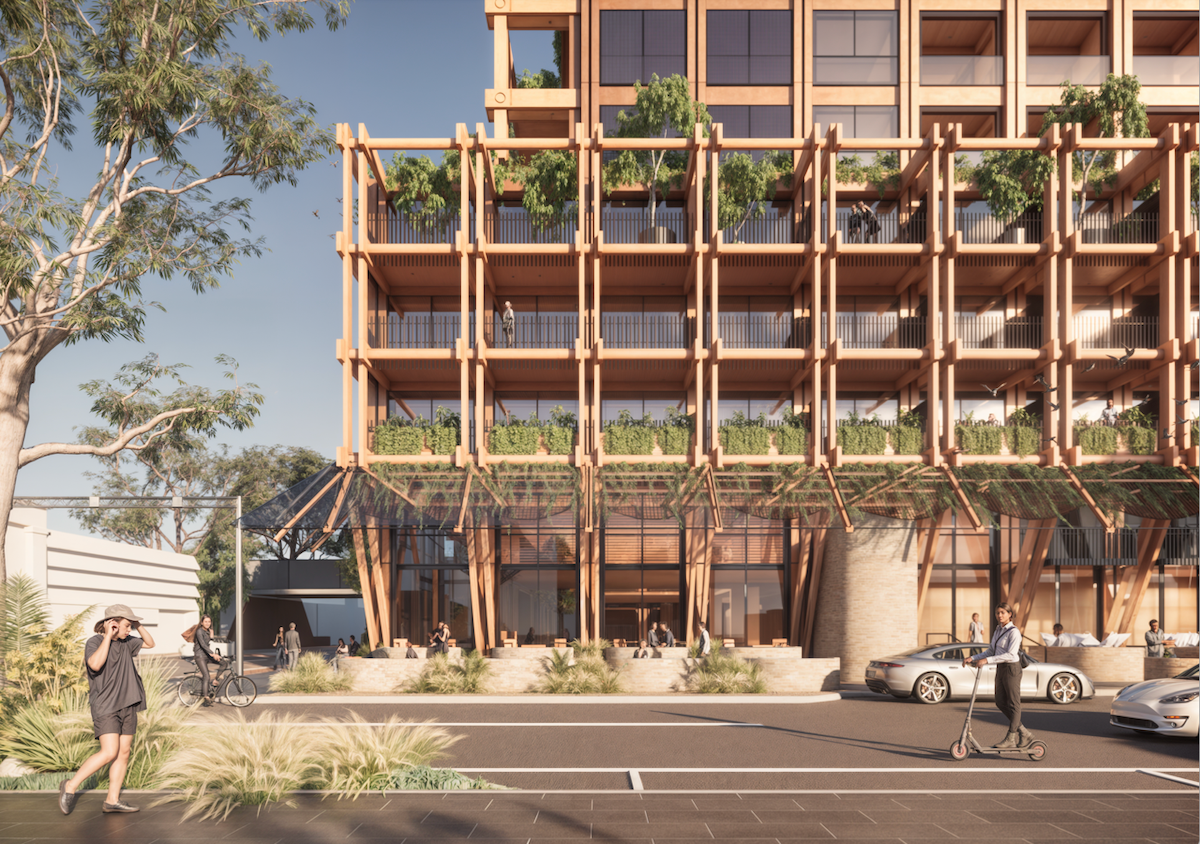
The ‘MODEL: The Business Case for Sustainable Build to Rent’ report from property consultancy JLL, commissioned by sustainable real estate pioneer MODEL, demonstrates Build to Rent developments with leading sustainability credentials not only outperform their peers, but can also redefine the financial narrative.
This positions green buildings as robust, resilient investments that consistently deliver higher returns. The report analyses a global body of research looking at international markets with strong Build to Rent and sustainability practices, such as the EU, Scandinavia, the US and UK.
It also examines local developments with strong sustainability credentials to ascertain precisely where financial wins could be realised in an Australian context.
It suggests that MODEL’s project development targets of 6-Star Green Star, 9-Star NatHERS, and Passivhaus certification have the potential to deliver rental premiums of 5% to 10% above existing local Build to Rent schemes, achieve consistent occupancy rates of around 98% (3% higher than current average) and significantly reduce operational utility costs.
These advantages, combined with cap rate compressions of ten to 60 basis points and improved access to green financing, translate into significantly stronger returns while materially reducing asset-level risk through increased resilience, regulatory alignment, and forward-looking design.
“MODEL’s sustainable premium alone is projected to add approximately 400 basis points to base case internal rates of return (IRR) over a seven-year period – significantly outpacing traditional Build to Rent benchmarks.
“We believe MODEL has cracked the code. Sustainability isn’t just good practice, it’s great business.
“Both the findings of this report and the opportunities we observe across the Eastern Seaboard have resulted in MODEL raising the financial goal of its Regenerative Decarbonisation Fund from $250 to $600m.
“By aligning the interests of investors, tenants, the environment, communities, and policymakers, we’re confident we can create even more healthier homes that are resilient, desirable, and built for long-term performance.
“In a sector that’s still in its infancy in Australia we’ll not just prove sustainable Build to Rent can work, we’ll prove it performs better. This is where the market is heading, and we’re proud to lead it.”
Rory Hunter, CEO, MODEL

MODEL’s upcoming schemes in Melbourne’s Abbotsford precinct will reflect and exemplify this next-generation approach.
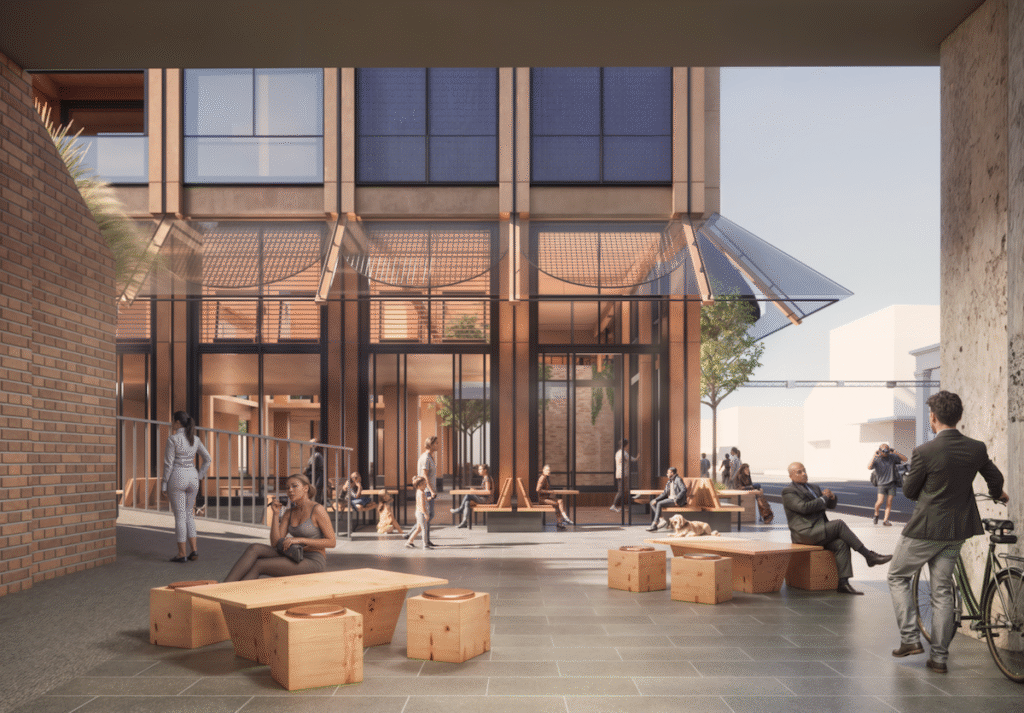
The developments are constructed using mass timber – including the MODEL on Johnston Build to Rent scheme, which launched last year – powered by 100% renewable energy, and designed to reduce embodied carbon by 50% to provide optimal living conditions and dedicated affordable housing – all underpinned by measurable, certified environmental and social outcomes.
“Our research also tells us our residents will save an average of $1000 per annum on their own utility bills whilst benefiting from the myriad health and wellness benefits of living in a greener, Passivhaus-certified building.
“Such as best-in-class thermal performance and enhanced air quality, which provides more evenly temperate, comfortable homes and reduces exposure to allergens, pollution and pathogens.”
Rory Hunter, CEO, MODEL
JLL’s benchmarking confirms that MODEL’s strategy consistently delivers stronger performance across key investment metrics, including net operating income, occupancy levels, and terminal yields.
By aligning with globally recognised ESG frameworks – such as the UN Sustainable Development Goals (SDGs), the Task Force on Climate-related Financial Disclosures (TCFD), and the EU Taxonomy for Sustainable Activities – MODEL meets the eligibility criteria for Article 9 funds under the EU’s Sustainable Finance Disclosure Regulation (SFDR).
According to JLL and MODEL, these ‘dark green’ funds, which are required to invest in genuinely sustainable economic activities, along with institution specific impact mandates, gives access to a significant and previously untapped pool of equity capital for Australian real estate.
This financing advantage is further strengthened through access to sustainability-linked loans, which offer five to ten basis points in cost savings compared to conventional lending structures.
“Collectively, these funding pathways exemplify MODEL’s differentiated ability to capitalise on global capital flows that are increasingly aligned with sustainability.”
Rory Hunter, CEO, MODEL
MODEL’s positioning also supports Australia’s broader climate goals, including the legislated target of a 43% reduction in greenhouse gas emissions by 2030 and the national commitment to net zero emissions by 2050, as set out in the Climate Change Act 2022.
“This isn’t just about outperforming the market, it’s about reshaping the future of housing.
“Our residents live in homes that are cheaper to run, healthier to inhabit, and more community oriented.
“For investors, it’s a compelling opportunity to lead the transition toward a more resilient and responsible built environment all while achieving alpha returns.”
Rory Hunter, CEO, MODEL
Australia’s Build to Rent market is forecast to grow into a $930bn sector, driven by demographic tailwinds, housing undersupply, and rising ESG mandates.


