


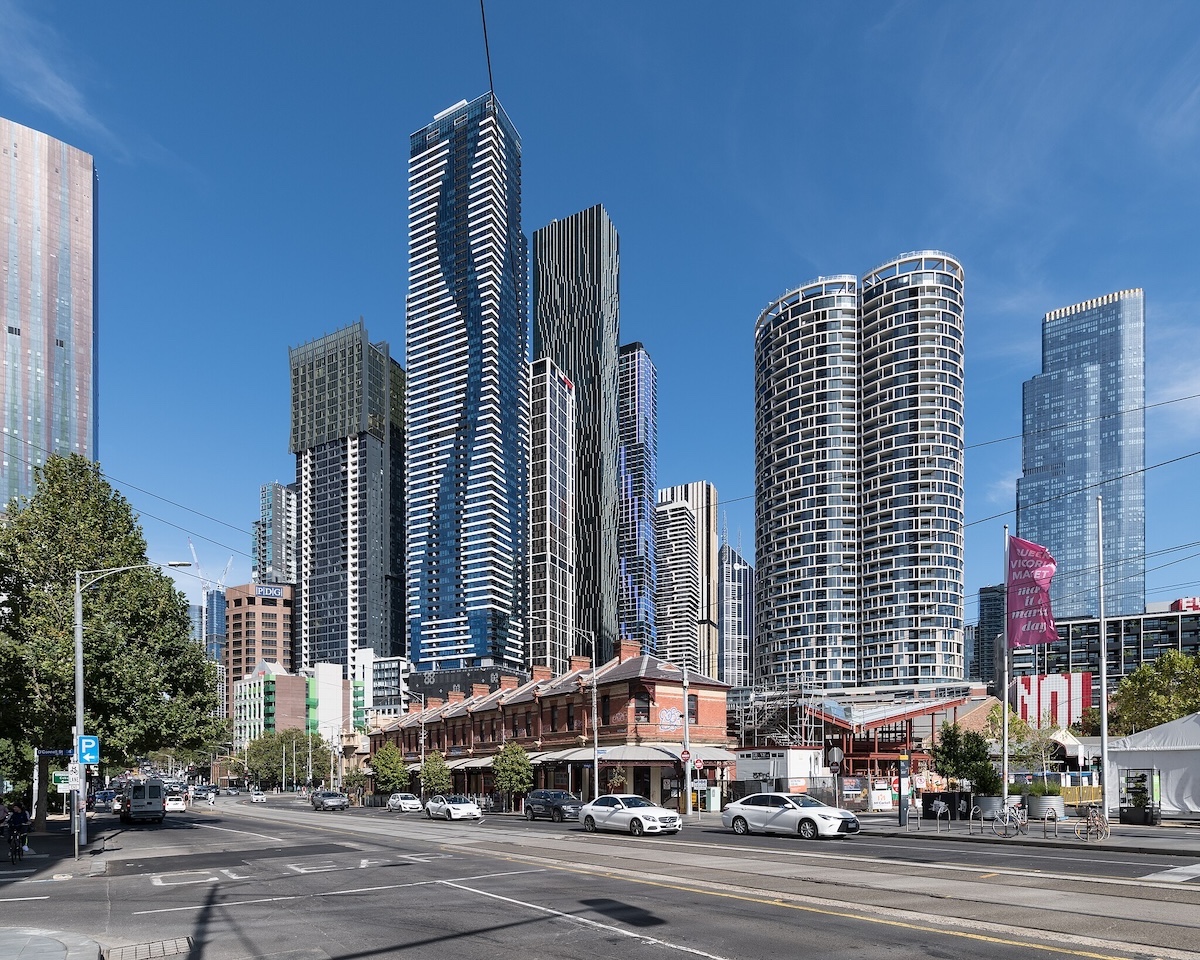
Property consultancy Savills Australia has discovered through its new report ‘Mispriced: Melbourne’s Capital Reset’ that investors are starting to re-engage with Victoria, not because markets look fully recovered, but because pricing clarity and income visibility across the market has improved.
The report highlights that Melbourne has undergone a deeper price adjustment than other East Coast capitals – improving entry transparency and risk clarity before broader market conditions normalise. Victoria’s total investment turnover remains slightly below its long-run average, with the shortfall concentrated in office. Savills says this stage of the cycle has historically marked the point at which early‑cycle capital starts re‑entering.
“Melbourne is a premium market where repricing has largely been absorbed, and income carries performance while values stabilise. Investors, developers and occupiers can lean into Melbourne’s structural strengths ahead of the next growth phase.”
Joe Phegan, State Managing Director – Victoria, Savills Australia and New Zealand
Melbourne’s capital markets are entering a clear early-cycle phase, and global investors are positioning to move. PERE data indicates that opportunistic funds accounted for some 33% of all global real estate fundraising in 2025 – almost double the year prior and signalling renewed early-cycle risk appetite.
Global real estate investment is also tipped to rise 15% to over US$1tn in 2026, according to the Savills Research 2026 Global Outlook. Major players are increasingly prioritising large, liquid gateway markets with pricing clarity and exit liquidity. Investment turnover – as a share of market size among the top 300 owners by sector – shows that Victoria is well placed to capture a significant share of this renewed global capital.
“Rather than broad acquisitions, investors are prioritising recapitalisations, preferred equity, joint ventures and platform investments that provide control and downside protection. What’s notable is not a surge in volume, but a change in how capital is deploying.
“Investors are underwriting selectively, favouring structures and assets where repricing has already occurred and income is visible. We have seen this pattern in other global gateway markets such as New York, San Francisco and Paris – once price discovery is fully advanced, investors start to re-engage.”
Ben Schubert, National Head – Capital Transactions & Advisory, Savills Australia and New Zealand
Melbourne has retained a top-three ranking as a preferred Asia Pacific investment location in the Asian Association for Investors in Non-Listed Real Estate Vehicles (ANREV) 2021 to 2026 surveys, reflecting consistent institutional interest through the cycle. This year it ranked third, behind Sydney and Tokyo. Office has seen a deeper reset than peer markets. A Grade Melbourne CBD office yields have expanded by over 210 basis points, compared with about 180 basis points in Sydney. Victorian office investment turnover also accounted for 2.45% of market size in 2025, compared with a ten-year average of 4.82%.
“The opportunity in Victoria lies in this shortfall. Office turnover is currently running at around half its long-term average. These are textbook early-cycle re-entry conditions, and we will see selective capital move first, with broader volumes recovering later.”
Katy Dean, Head of Research, Savills Australia and New Zealand
Living sectors, such as Build to Rent and student accommodation, are at an earlier stage of the cycle, according to Savills. Living assets accounted for 22% of total Australian real estate investment in 2025, nearly double its historical average. Capital is now selectively backing development and platform opportunities, ahead of broader liquidity in stabilised assets emerging later.
“This investor conviction is underpinned by Melbourne’s population growth, rental affordability and platform‑scale opportunities.”
Joe Phegan, State Managing Director – Victoria, Savills Australia and New Zealand


